
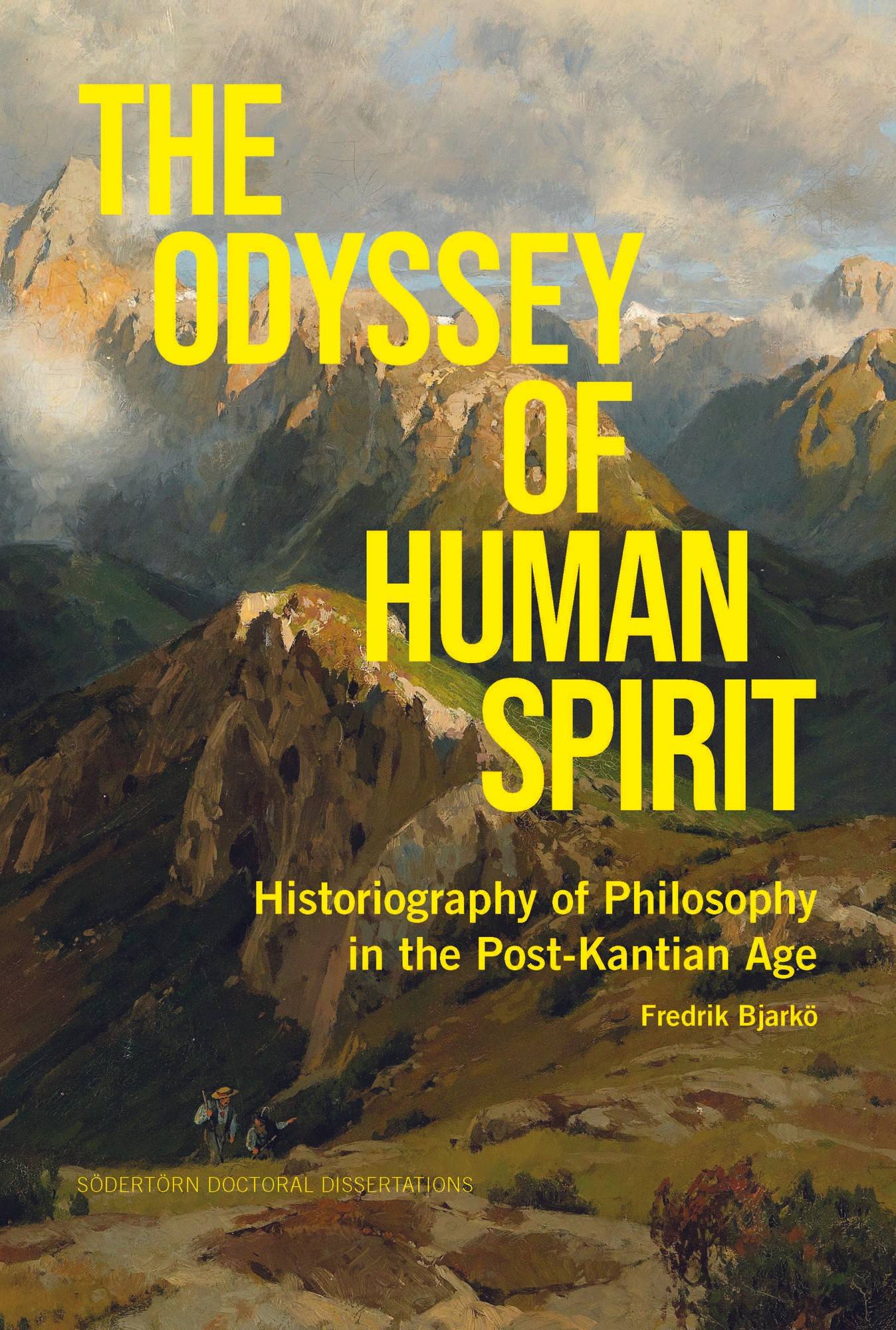
The odyssey of human spirit: Historiography of philosophy in the post-kantian age
ISBN: 9789189962323
Utgiven: 2025-11-01
Format: Danskt band
Språk: Engelska
Genre: Historia och arkeologi
In 1791, the Prussian Academy of Sciences published a prize question on the progress of metaphysics since the time of Leibniz and Wolf. To the German philosophers of the time, it was obvious that the question concerned the historical importance of Kant. In the second edition of the Critique of Pure Reason published three years earlier, Kant had complained that metaphysics had thus far lacked any secure progress. His adherents regarded the prize question as an impulse to further ground the revolutionary significance of Kantian critical philosophy. But to do this, they believed, it was first necessary to examine the concept of the history of philosophy as such. In the following decade, the German literary world was virtually flooded with articles, essays, and entire journals attempting to lay a new foundation for the history of philosophy. The debates concerned, among other things, the beginning and geographical scope of philosophy, the usefulness of studying past philosophical thought, and the laws according to which reason developed in historical time. The Odyssey of Human Spirit is an examination of this development and the new views of the history of philosophy that it brought about. It argues that the debates in question fundamentally reshaped the concept of the history of philosophy. Fredrik Bjarkö is a teacher and researcher in the history of ideas at Södertörn University. The Odyssey of Human Spirit is his doctoral thesis.